
THERMO CLADDING
Thermo Cladding
Our focus is ThermoWood: premium thermally modified timber where durability and design work together. Modified with only heat and steam — never chemicals — it delivers long service life, low maintenance, and natural character for cladding, decking, and façades.
ThermoWood cladding and decking supplied in partnership with LogHouse Timber — premium thermally modified timber for façades, decking, and bespoke applications. loghousetimber.ie/
Thermowood Cladding & Decking Pricing
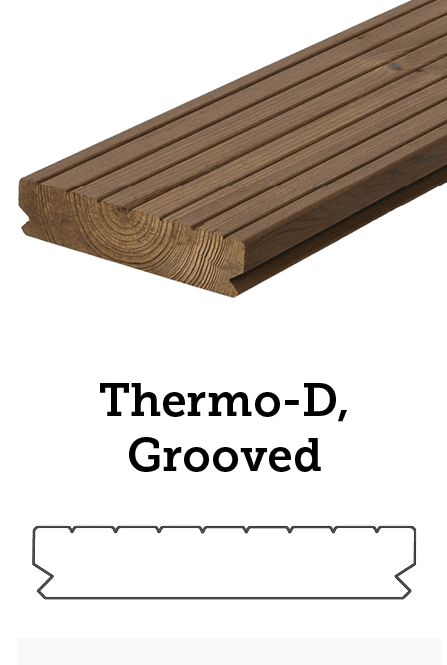
Thermo Decking, Grooved
26×117/140mm
£45.00 per sqm
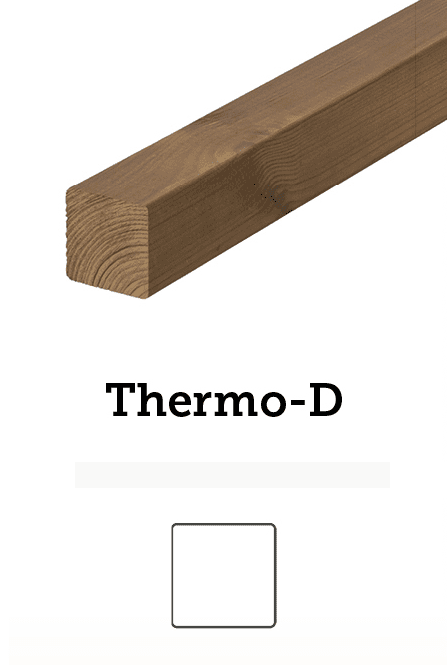
Thermo KitKat
26×92/117/140mm
£41.30 per sqm
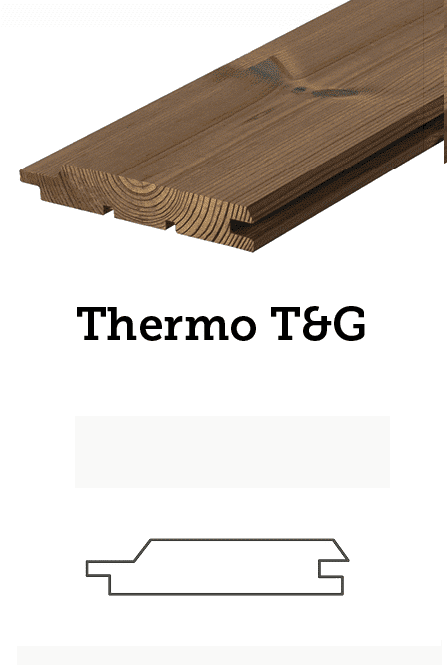
Thermo T&G
19×117mm
£33.31 per sqm
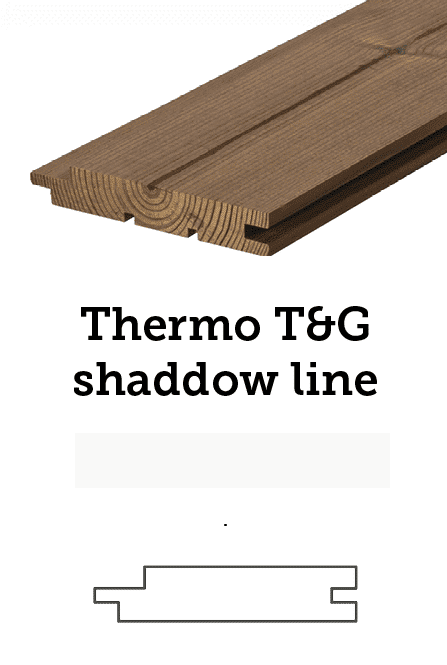
Thermo T&G Shadow Line
19×92mm
£35.95 per sqm
Alternative for Siberian Larch
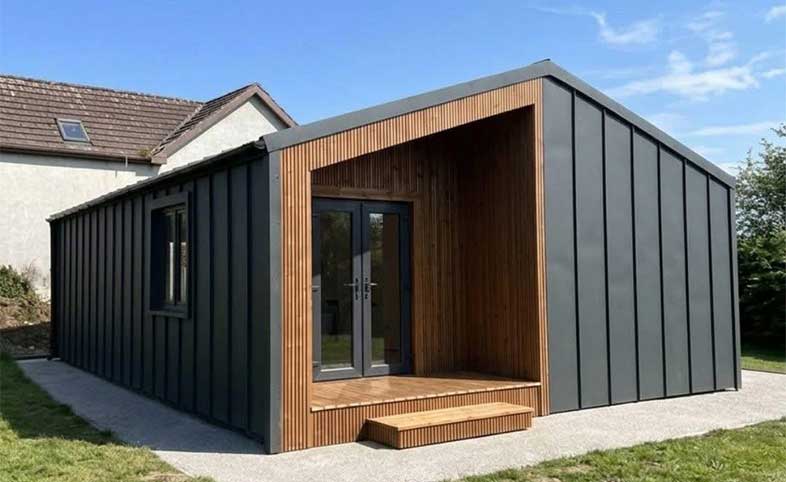
Thermowood is known for its extreme dimensional stability in all climates. The thermal modification with only heat and steam, without any chemicals or toxins, enhances the Finnish Pine and Spruce into a durable and long lasting material for decorative surfaces. Natural greying of THERMOWOOD is combined with low maintenance and yet a long life-cycle of the products. All these properties make THERMOWOOD a sustainable and technically pre-eminent alternative for Siberian Larch.
Technical Comparison
| Property | Siberian Larch | Thermowood |
|---|---|---|
| Dimensional Stability | — | ✓ |
| Durability (EN ISO 350-2) | Class 3 | Class 2 |
| Delamination | — | ✓ |
| Cracking | — | ✓ |
| Low Maintenance | — | ✓ |
| Natural Greying | ✓ | ✓ |
| Knots | — | ✓ |
| Life Cycle (BRE) | 20–30y | 20–30y |
| Origin | Russia | Finland |
Environmentally Friendly
No chemicals are used in the production of THERMOWOOD products. The production method is a result of extensive development work and it is based on the controlled modification of timber with high-temperature drying, thermal modification & cooling, and moisture conditioning. The process results in permanent physical and chemical changes in the wood. The new properties remain unchanged, even when the timber is processed with methods such as sawing or planing. This also applies to the colour of the product.
Advantages Over Natural Timber
- Reduced Swelling and Shrinkage due to Moisture
- Enhanced Dimensional Stability
- Better Biological Durability
- Darker Colour
- No Resin
- Lower Thermal Conductivity
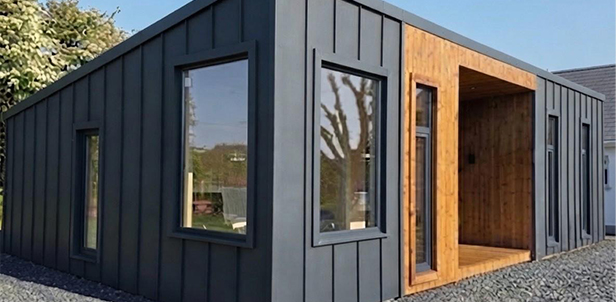
CHARRED CLADDING
Charred cladding
“Shou Sugi Ban” is a Japanese technology designed to create unique wooden products by treating wood with fire. Our craftsmen burn the prepared wood in a special “Shou Sugi Ban” furnace, which creates a unique and durable layer of charcoal.
The special “Shou Sugi Ban” technology we use is inspired by ancient Japanese traditions.
By burning the surface of the wood at very high temperatures, the wood becomes waterproof and more durable, protected against pests and fire.
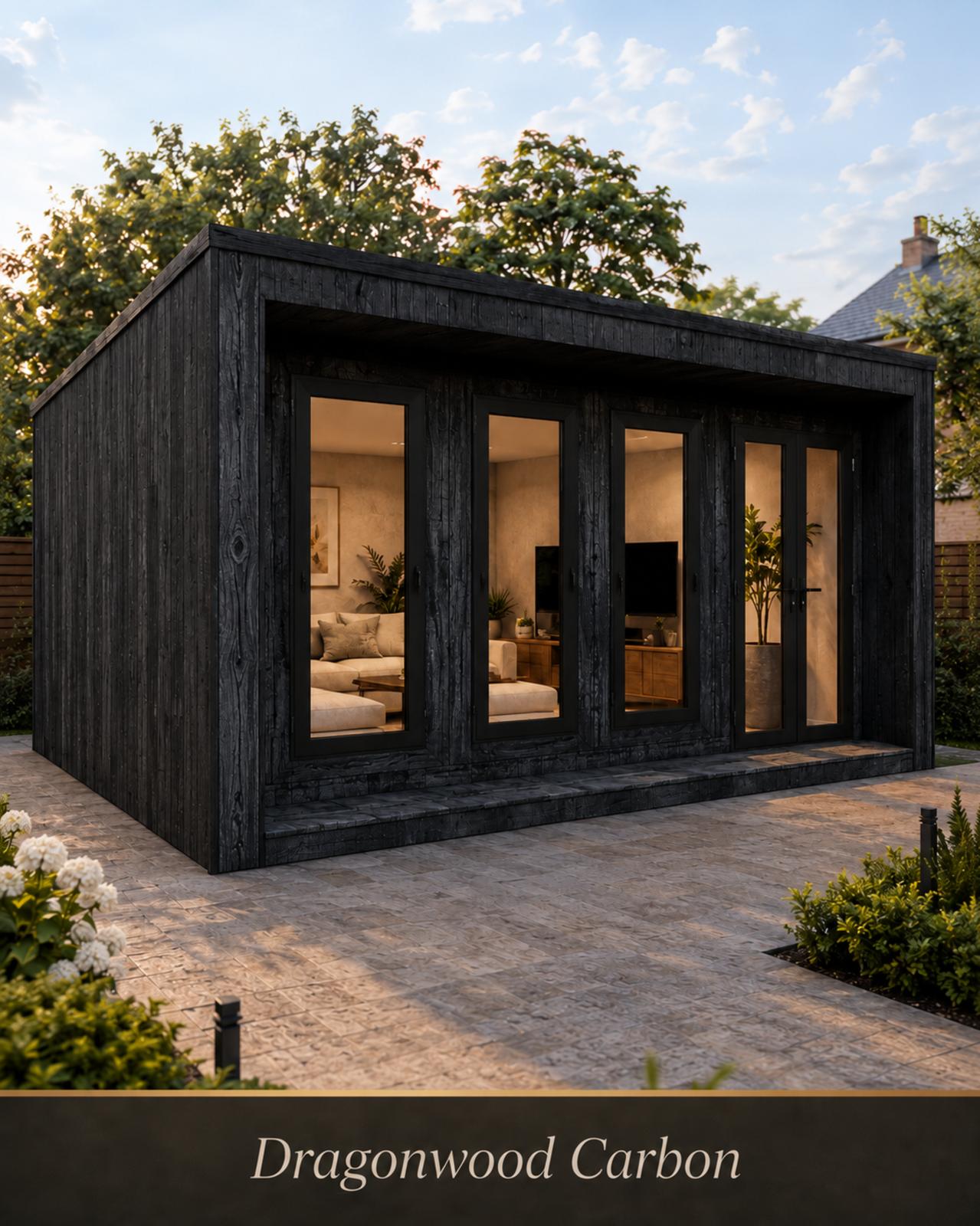
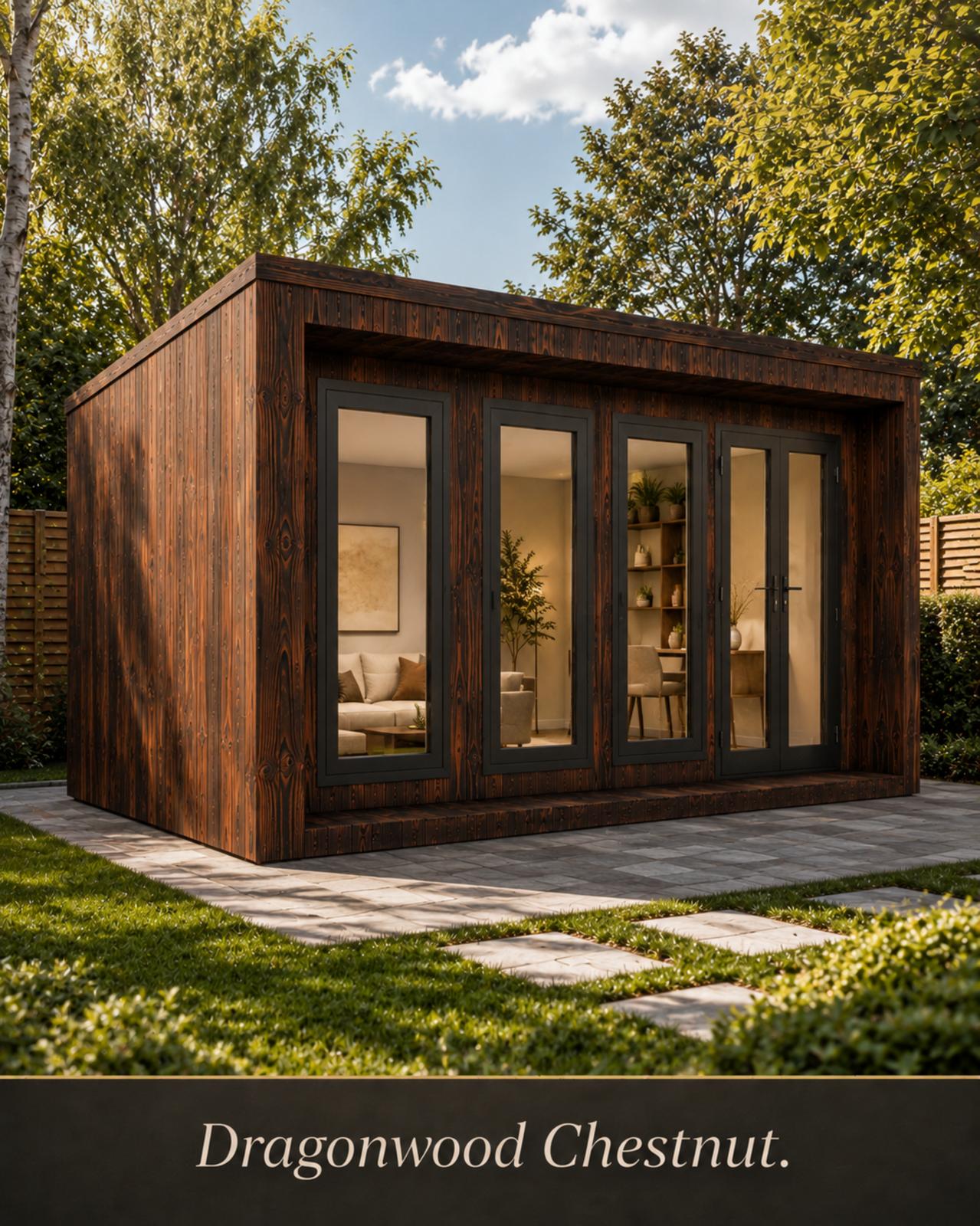
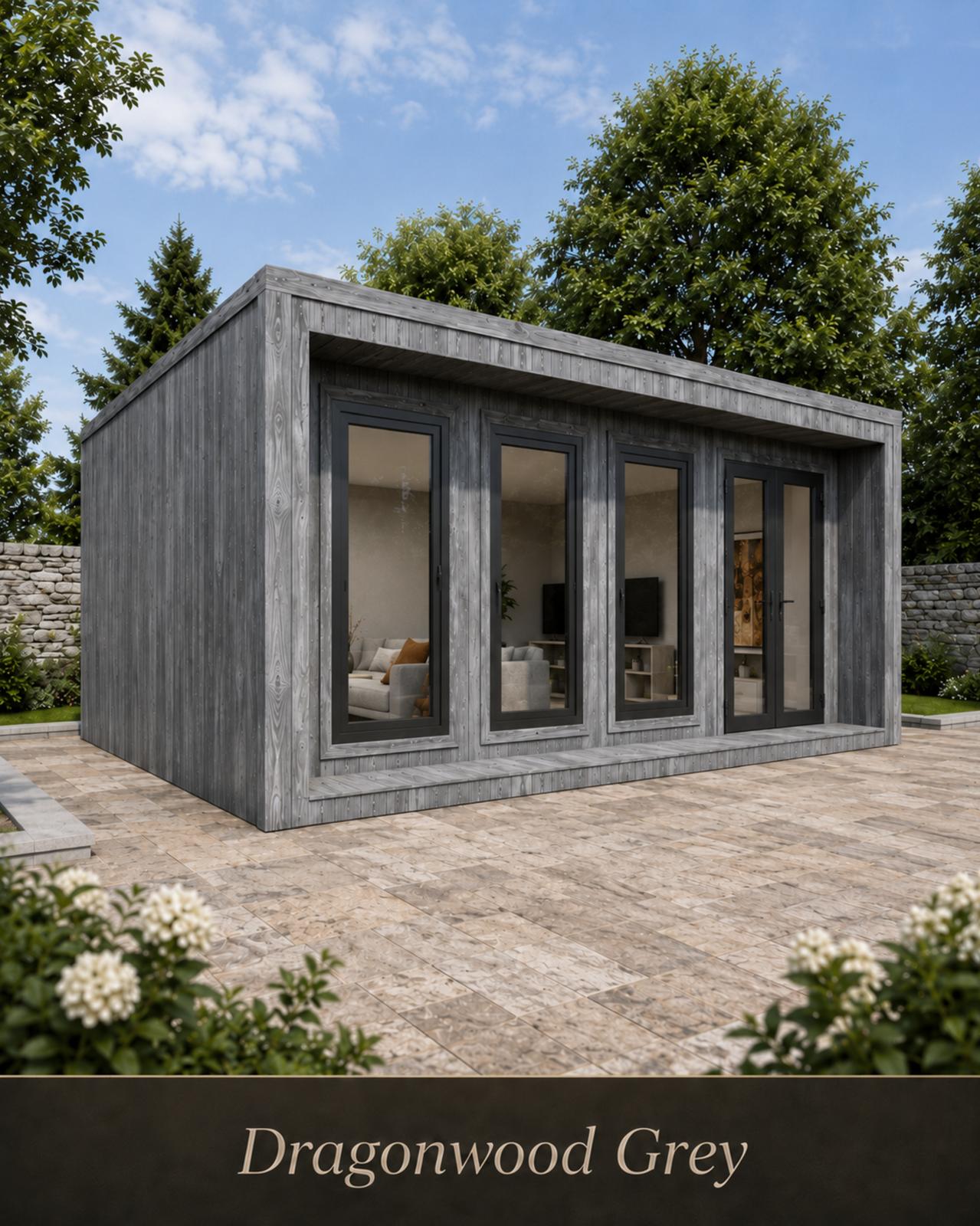
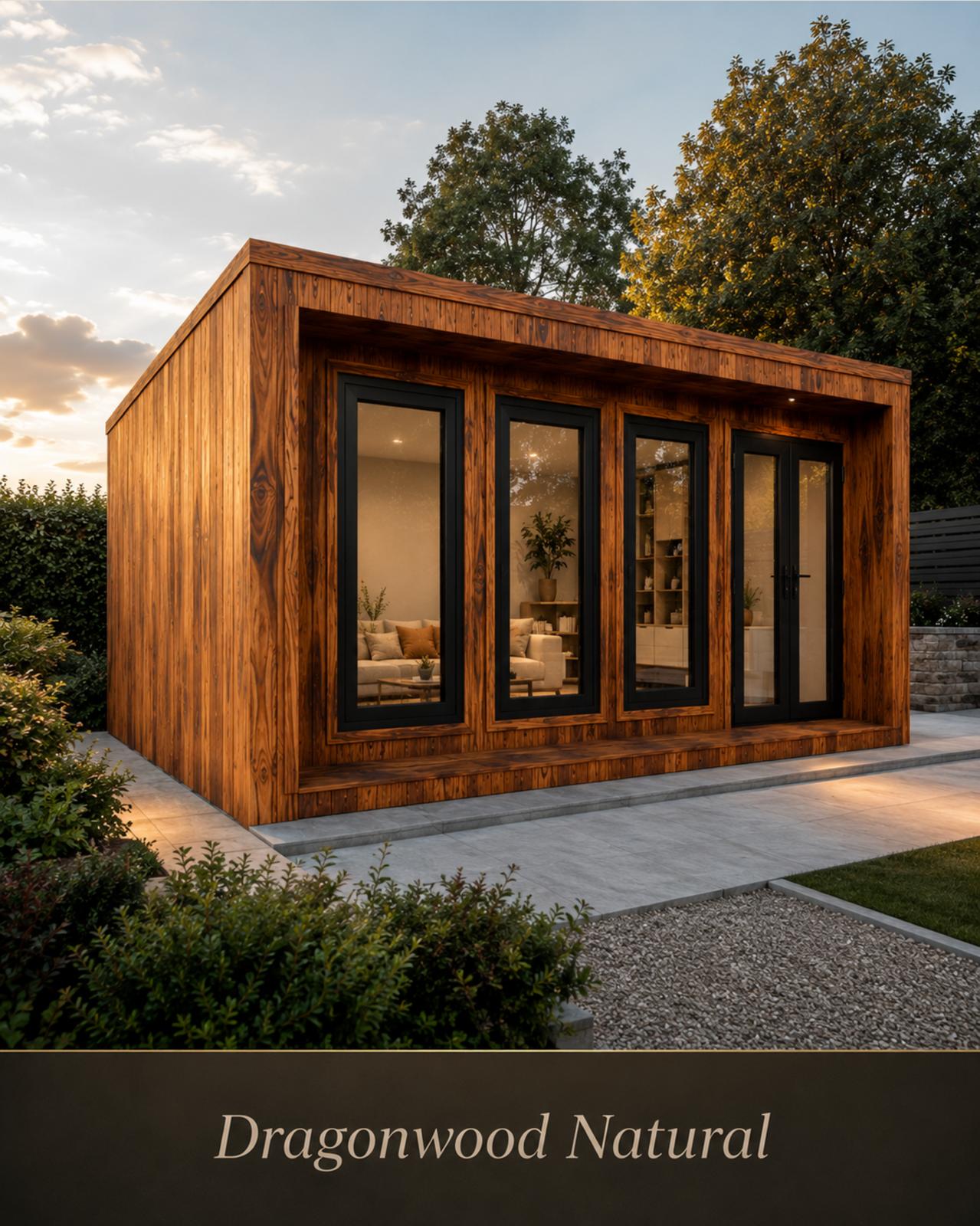
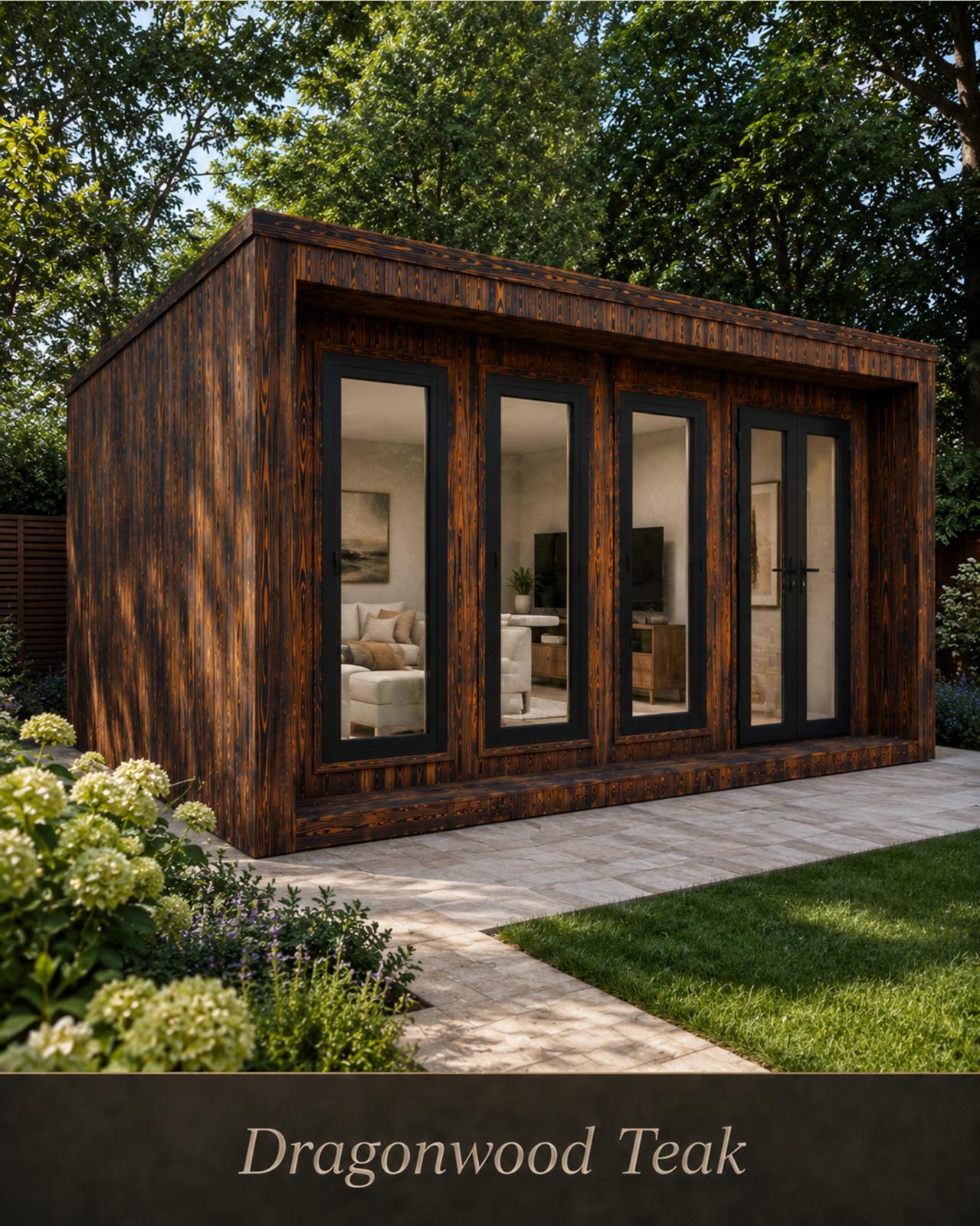
Yakisugi History:
Yakisugi is a traditional Japanese wood charring method. Yaki means to heat with fire, and sugi is cypress. In the West, it is also known as burnt (charred) wood and is also known as “Shou Sugi Ban”. By burning the surface of the wood at very high temperatures, the wood becomes waterproof and more durable, protected against pests and fire.
Sustainable Beauty and Original Strength
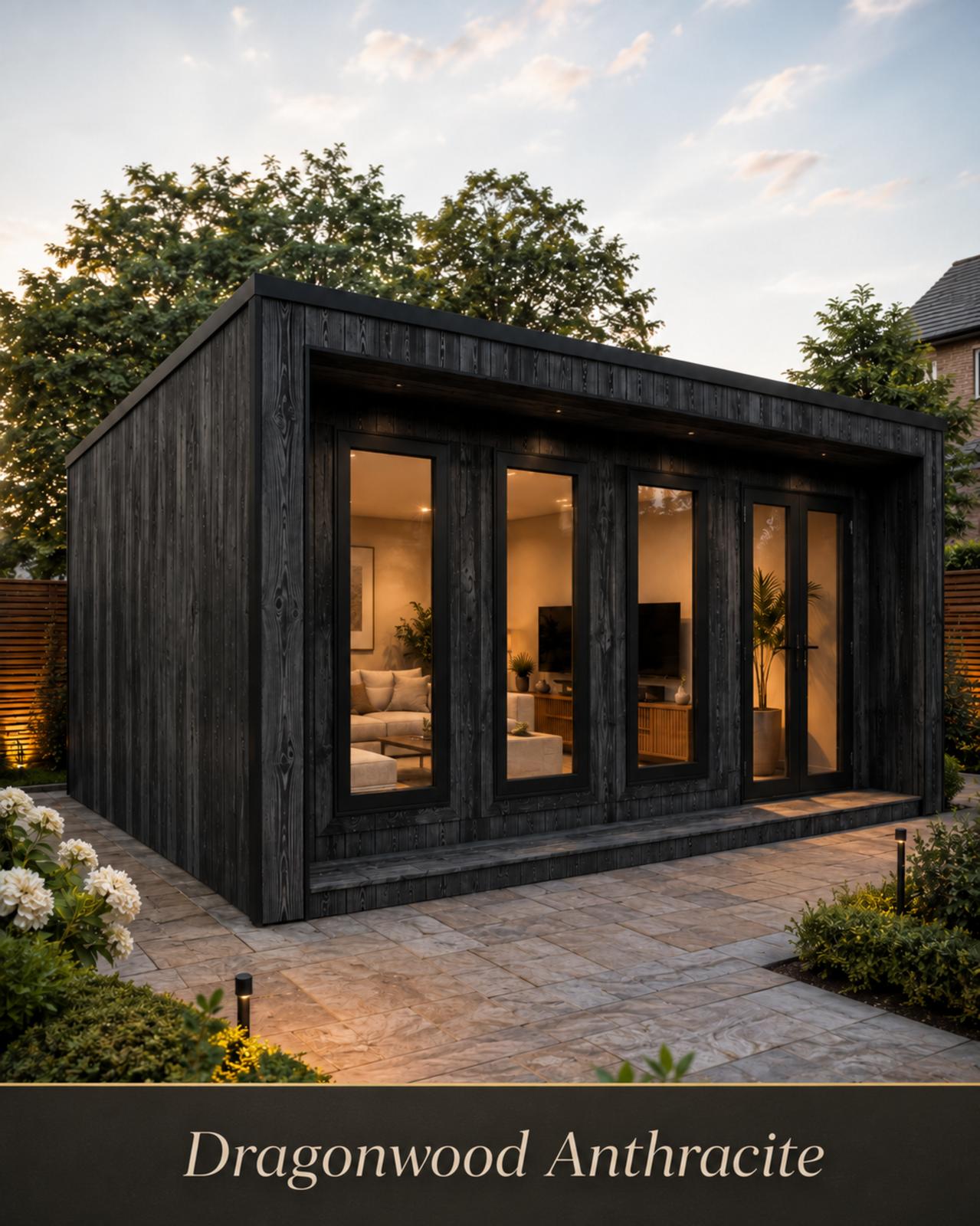
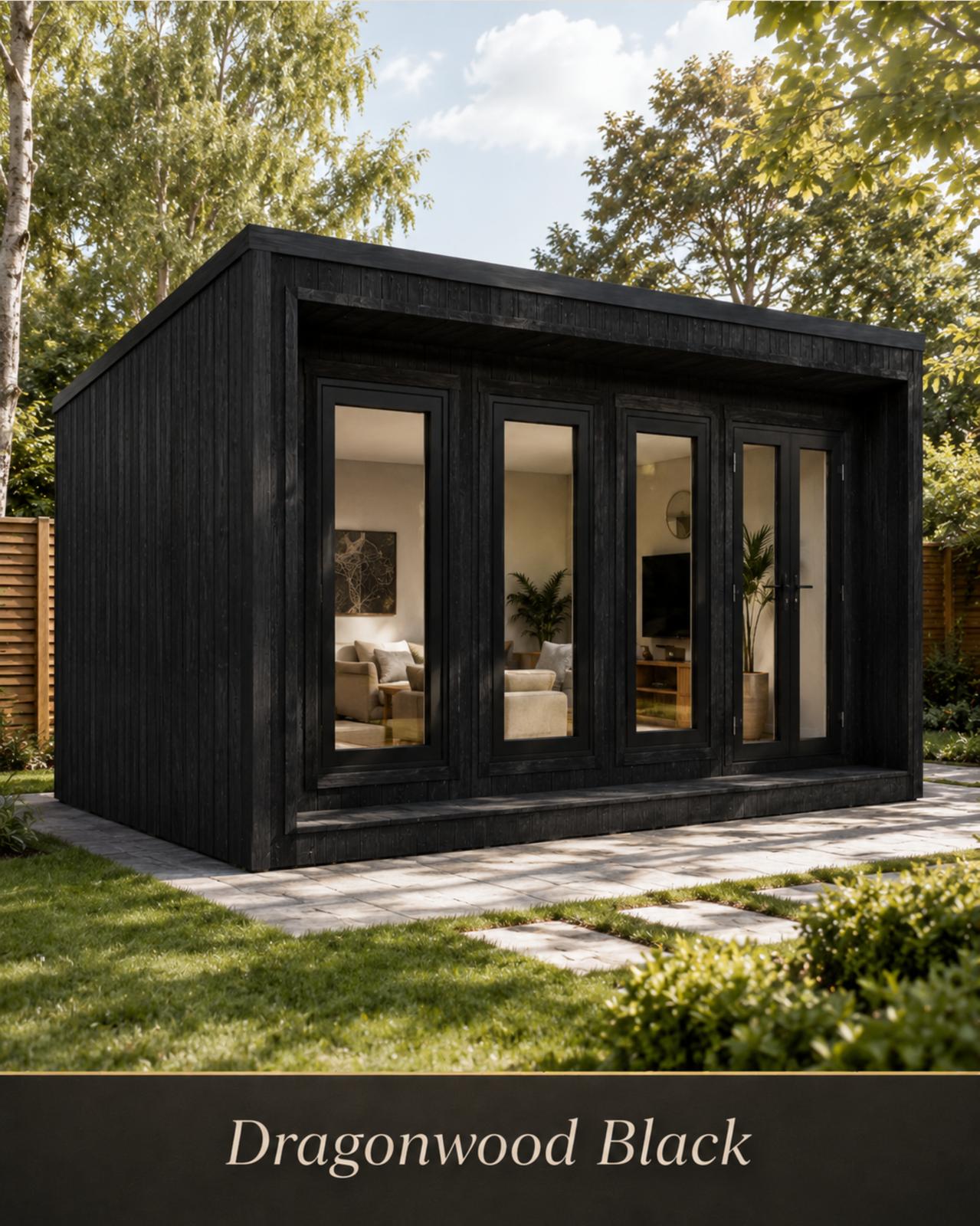
The main power of fire remains visible in the colour and structure of the wood. All types of wood used have their unique structure and application, both from an aesthetic and a physical structure point of view. DRAGONWOOD wood, made by the “Shou Sugi Ban” method, is very suitable for facade finishing, exclusive interiors, and furniture production.
Advantages:
1.Durability: Shou Sugi Ban significantly enhances the durability of wood by creating a charred layer that acts as a barrier against insects, decay, and weathering. This can extend the lifespan of the wood, reducing the need for frequent maintenance or replacement.
2.Resistance to Decay and Insects: The charred surface is resistant to decay, fungi, and insects. This makes it an excellent choice for exterior applications, where wood is exposed to harsh environmental conditions.
3.Weather Resistance: Shou Sugi Ban cladding is known for its ability to withstand various weather conditions, including rain, snow, and UV radiation. The charred layer acts as a protective shield, preventing the wood from warping, cracking, or deteriorating due to exposure to the elements.
4.Low Maintenance: The charring process creates a low-maintenance finish. Unlike untreated wood, Shou Sugi Ban cladding requires minimal upkeep. The charred surface helps in repelling dirt and dust, making it easier to clean and maintain the appearance of the wood.
5.Aesthetic Appeal: Shou Sugi Ban cladding has a unique and striking appearance. The charred surface brings out the wood's natural grain and texture while creating a visually appealing contrast. The technique can be applied to various wood species, allowing for a range of design possibilities.
6.Fire Resistance: While it might seem counterintuitive, the charred layer can contribute to the wood's fire resistance. The outer layer can act as a protective barrier, making it more challenging for fire to penetrate the wood and spread.
7.Sustainability: Depending on the source of the wood, Shou Sugi Ban can be considered a sustainable choice. The process involves using natural materials and can be applied to wood from responsibly managed forests, contributing to environmentally friendly building practices.
8.Natural Insulation: The charred layer can provide some level of insulation to the wood, helping regulate temperature and potentially improving energy efficiency in buildings.
LogHouse Timber Charred Larch Cladding
| Wood | Thickness (mm) | Width (mm) | Face cover (mm) | Length (mm) | Gap between boards | Price/m² incl. VAT |
|---|---|---|---|---|---|---|
| Charred Larch Cladding | 18–20 | 95 | 85 | 3000 | 5 | £67 |
| 120 | 110 | 4000 | 10 | |||
| 145 | 135 | 6000 | N/A |